现代教育初始
1902年(清光绪二十八年)管学大臣张百熙曾拟订《钦定学堂章程》即壬寅学制,未及实行。1903年(清光绪二十九年) 7月清政府命张百熙、荣庆、张之洞以日本学制为蓝本,重新拟订学堂章程,于1904年(清光绪三十年)1月公布,即《奏定学堂章程》,是年为旧历癸卯年故称癸卯学制。
其中,初等小学堂规划为强迫教育阶段 5年,属普及教育性质,宗旨是”启其人生应有之知识,立其明伦理爱国家之根基,并调护儿童身体,令其发育”。课程有:修身、读经讲经、中国文字、算术、历史、地理、格致、体操等。视地方情形,可增加手工、图画1科或2科。贫瘠地区可设简易科,课程酌减。
ren yin(2), gui mao(3)
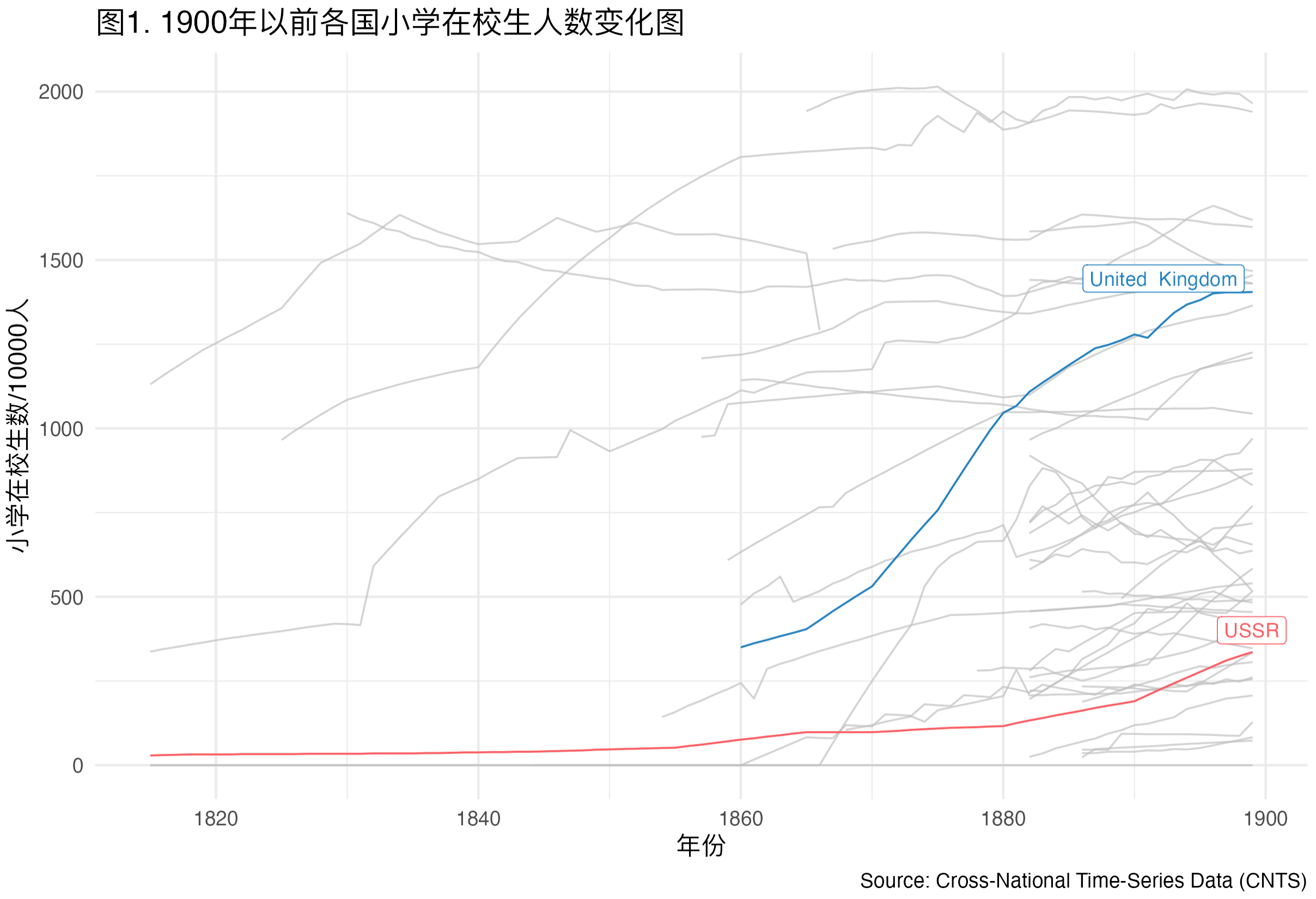
课程导入:以农村女童受教育权意识变化研究导入。说明义务教育的内涵(普及、免费或国家供给、义务)。分享我为什么认为,普及教育是人类社会发展过程中的一个伟大的变革。因为它改变了世界格局,每一个人生活和人生轨迹;
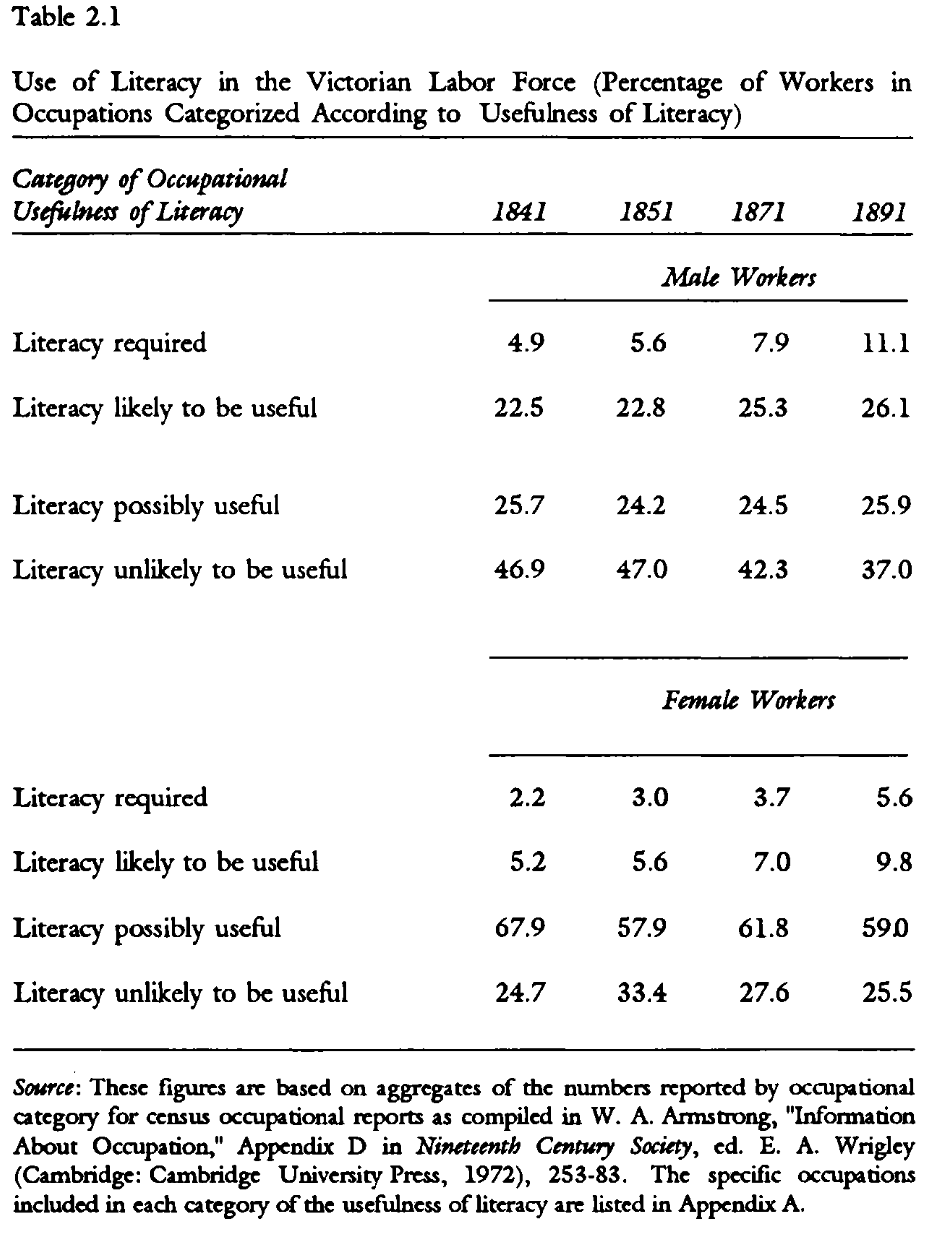
教育让人们摆脱了文盲状态,学习了读写,让知识与技术的传播有的可能,对人类思想的解放起到巨大的作用,而最终带来人类创造水平的提高也有着巨大的作用。设想我们设想我们当今的社会,如果90%的人都是文盲的话,那么我们现在所享有的一切生活生产上的便利和优质的社会生活条件都将不复存在。比如说我们现在的自媒体以及移动互联商业的发展就没有可能。
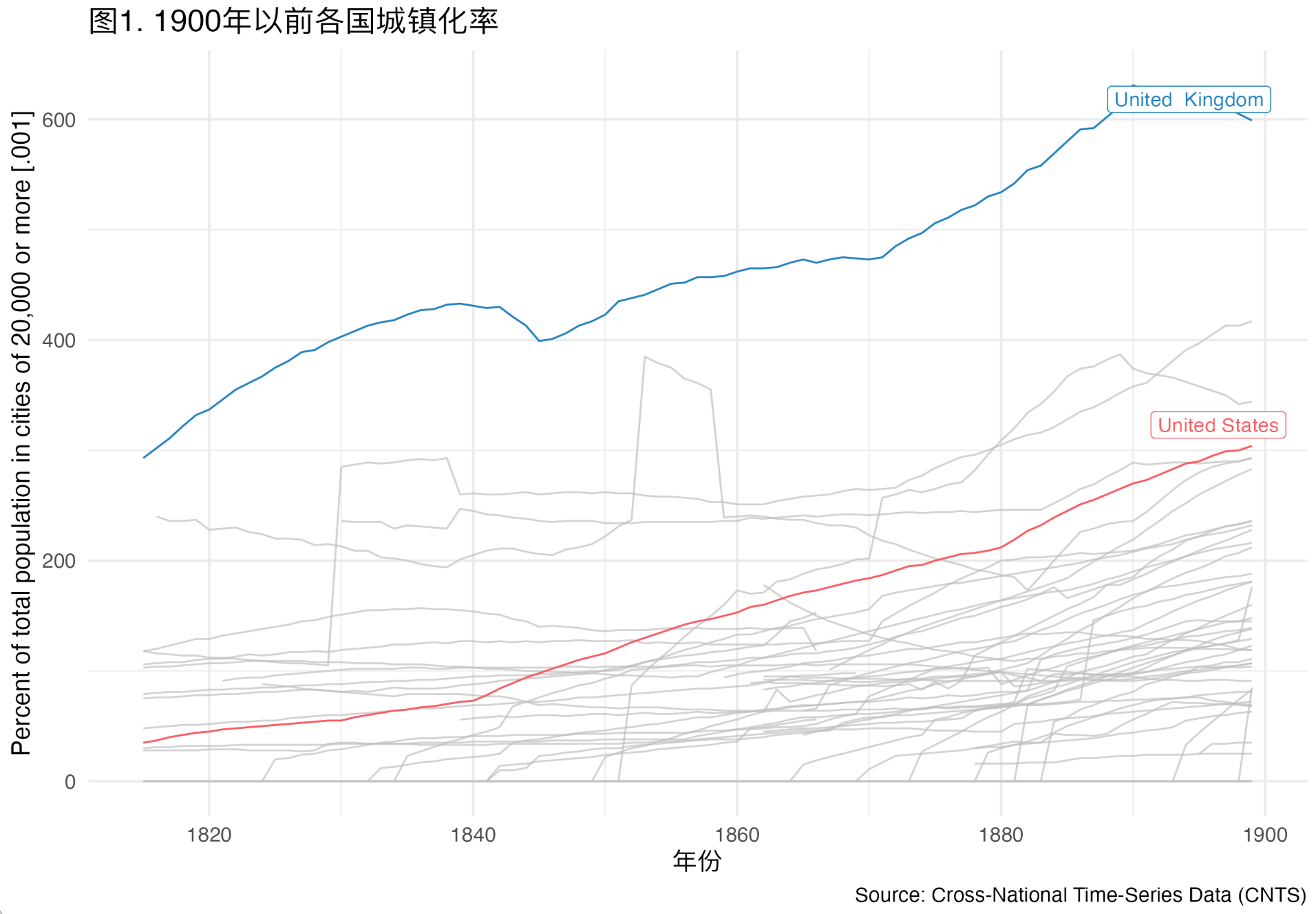
现代社会的发展,很大程度上取决于技术的进步。而如果没有教育的发展,技术的进步将会受到非常大的制约。为什么这样讲?因为技术的积累,需要知识的积累和传播。而知识积累和传播是需要文字以及识别文字的人来实现的。另外教育水平的提高也能够显著的提高个体。学习和创造的能力。
教育的普及也有助于经济发展水平的提高。进而增进社会的。创造了整体的财富和价值。这是社会当中的人们生活质量得以提高的必要的重要的物质基础。
教育的普及能够使一部分底层人有了改变自身命运的机会和条件。另一方面教育水平的提高也能够增加被压迫的群体反抗压迫者或者既得利益者的压迫,进而实现一个更加公正公平的。
教育的普及不仅能够带来技术性的变革,同时也为制度性的变革提供基础。教育水平的普及不仅能够提高。个体改造物质世界的能力,也可以提高个体。改造社会的能力。通过不断的优化这个社会的政治经济社会组织相关的制度设计,让这些社会活动,比如政治活动,经济活动,教育活动文化。社交活动变得更加文明高效。
清末学校的发展
年份
官立
公立
私立
1,905
3,605
393
224
1,906
2,770
4,829
78
1,907
5,224
12,310
2,296
1,908
11,546
20,321
4,046
1,909
12,888
25,688
4,512
1,910
14,301
32,254
5,793
清末学校的发展
年份
学生数
1,903
1,274
1,904
31,378
1,905
102,767
1,906
200,401
1,907
547,064
1,908
921,020
1,909
1,301,168
1,910
1,625,534
中国义务教育普及历程
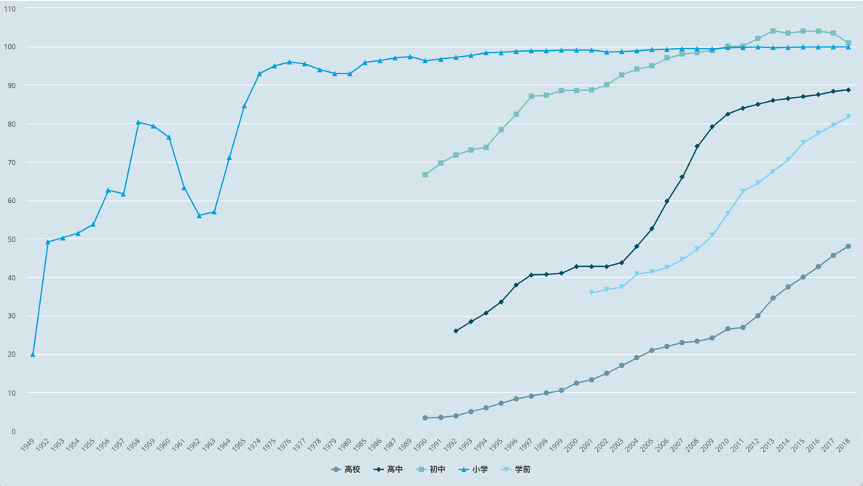
1949年文盲占人口总数的80%以上, 小学入学率仅有20%左右,初中入学率仅有6%,农村人几乎都不识字,简单的读写都要求人帮忙。1949年,《中国人民政治协商会议共同纳》,“要有计划有步骤实行普及教育 ”;
1956年,《1956-1967年全国农业发展纲要(草案)》,“从1956年开始,按照各地情况,分别在7年或12年普及小学义务教育 ”;
1958年,《关于教育工作的指示》,“全国应在三年到五年的时间内,基本上完成扫除文盲、普及小学教育 、农业合作社社社有中学和使学龄前儿童大多数都能入托儿所和幼儿园的任务”;
1974年,《关于1974年教育事业计划(草案)的通知》,“逐步在大中城市普及十年教育,农村有条件的地区普及七年教育”;
中国义务教育普及历程
1980年,《关于普及小学教育若干问题的决定 》,“经济比较发达、教育基础较好的地区,应在1985年前普及小学教育,其他地区一般应在1990年前基本普及”;
1986年,《义务教育法》,“国家实行九年制义务教育。省、自治区、直辖市根据本地区的经济、文化发展状况,确定推行义务教育的步骤”;
1992年,《加快改革开放和现代化建设步伐,夺取有中国特色社会主义事业的更大胜利 》(十四大报告),“到本世纪末,基本扫除青壮年文盲,基本实现九年制义务教育”;
2000年,我国在85%以上的人口地区完成”两基”任务;
2006年,不再收学杂费;
2011年,中国全面实现九年义务教育,基本扫除青壮年文盲。
1949年开始,国家教育的总方针
向工农开放
成人教育先于儿童教育
成人教育以工农干部为主
工农干部教育以速成为主
中国人民大学附属中学简史
1950年1月,中央教育部直接领导创办了全国第一所工农速中,它就是人大附中的前身。从1950年1月筹备,到4月开学,仅三个月。因为它肩负着探索和开创工农教育”速成”的任务,具有”实验”的性质,故而学校名称为”北京实验工农速成中学”。
1952年更名为”中国人民大学附设工农速成中学”。
1953年建成的北一楼、北二楼解决学生住宿,从此学生全部改为寄宿制。北平房为教工住房。
1954年,建起行政办公楼和西教学楼。同年,人大附中中心花园建成。
1955年,建造了”守住学校西部边界”的学生宿舍楼。人大工农速中开始招收普通高中班。
1956年,这个时期的人大附中,在校学生一度包含了六种编制:工农速成中学班、普通高中班、师院预科班、中等师范班、人大预科班、工农干部文化补习班工农干部文化补习班。
中国人民大学附属中学简史
1956年7月根据教育部指示,移交北京市教育局 ,至1958年4月再度回归人民大学领导,这时,学校更名为”中国人民大学附属工农中学”,意味着学校已成为一所正规中学;保留了”工农”二字,是因为校内尚有各类工农学员。 这时期,六种编制共处一校,盛况空前。这一时期学校正在急速转制,工农中学已在收缩,普通高中生比例迅速上升。
1956年,建起新的学生教工食堂,老食堂改为图书馆并辟出学生阅览室和教师资料室。
1958年,建造了9002米的校办厂厂房。
1960年,学校开始招收初中生,从单一高级中学向初高中兼有的完整中学过渡。学校已正式更名为”中国人民大学附属中学”。
1963年,最后一批工农学员毕业离校。
1970年,人大附中改为”北京市172中学”。70年代,人大附中的体育兴旺繁荣,校篮球队曾在70、71、72年连续三年蝉联北京市中学生男篮联赛冠军,女队在整个七十年代也一直保持亚军的佳绩。曾有过海淀区男子、女子、初中、高中四个冠军全包的优异成绩。
1978年,中国人民大学 复校后,学校恢复了与人大的隶属关系,校名由”北京172中学”重新改为”中国人民大学附属中学”。
工农速成中学招收学生条件
参加革命工作三年以上的工农干部或有三年以工龄的产业工人,
具有相当于高级小学毕业的文化程度,
年龄在18至35岁,
身体健康者;
工农速成中学招生情况
year
school
enrollment
1,950
24
4,400
1,951
41
7,100
1,952
51
11,600
1,953
58
12,200
1,954
87
29,200
分城市、县镇、农村小学学生人数
year
city
town
rural
1,962
1,033.4
546.1
5,344.4
1,963
1,126.7
584.6
5,446.2
1,964
1,238.8
621.6
7,434.1
1,965
1,475.5
745.5
9,399.9
1,971
1,236.2
608.4
9,366.5
1,972
1,224.7
703.5
10,621.0
1,973
1,195.9
776.8
11,597.7
1,974
1,124.7
804.4
12,552.3
1,975
1,061.1
786.9
13,246.1
1,976
955.3
764.9
13,285.3
1,977
915.1
737.4
12,965.1
1,978
970.6
774.7
12,878.7
城市、县镇、农村
民办小学教师数
year
total
collective
1,962
198.49
46.38
1,963
203.17
51.33
1,964
251.03
93.97
1,965
318.29
167.38
1,971
350.10
209.60
1,972
374.03
235.46
1,973
399.50
258.67
1,974
425.09
282.65
1,975
451.30
311.22
1,976
461.67
331.67
1,977
456.62
334.35
1,978
453.51
332.93
小学教师学历情况
year
high
junior
below
1,953
20.45
57.69
72.94
1,954
21.40
65.55
67.45
1,955
23.36
74.14
61.39
1,956
21.44
87.62
65.58
1,957
25.96
92.94
61.78
1,958
23.22
91.59
64.16
1,959
24.72
98.86
102.59
1,962
71.40
117.83
52.91
1,963
89.84
122.55
47.75
1,978
245.66
97.22
178.78
high=中师、高中毕业及以上; junior=初师、初中毕业及以中师、高中肄业; below=初师、初中肄业及以下;
干部子女学校
专门招收干部子女(干部流动,供给制)
特殊化
1955年开始转制(<重要文献,p532)
最强教育副总理
邓小平:1977年8月-1980年9月10日
尊重知识 尊重人才
我们要实现现代化,关键是科学技术要能上去。发展科学技术,不抓教育不行。靠空讲不能实现现代化, 必须有知识,有人才。没有知识,没有人才,怎么上得去?科学技术这么落后怎么行?要承认落后,承认落后 就有希望了。现在看来,同发达国家相比,我们的科学 技术和教育整整落后了二十年。科研人员美国有一百二十万,苏联九十万,我们只有二十多万,还包括老弱病 残,真正顶用的不很多。日本人从明治维新就开始注意 科技,注意教育,花了很大力量。明治维新是新兴资产阶级干的现代化,我们是无产阶级,应该也可能干得比他们好。
(这是邓小平同志同中央两位同志谈话的一部分。1977年5月24日)
邓小平:在全国教育工作会议上的讲话
第一点,提高教育质量,提高科学文化的教学水平,更好地为社会主义建设服务。
第二点,学校要大力加强革命秩序和革命纪律,造就具有社会主义觉悟的一代新人,促进整个社会风气的革命化。
第三点,关于教育事业必须同国民经济发展的要求相适应的问题。
中国义务教育发展史
中国教育方针的变化
小学教育的宗旨是:根据新民主主义的教育方针和理论与实际一致的教育方法,给儿童以全面的基础教育,使他们成为新民主主义社会热爱祖国和人民的、自觉的、积极的成员。
中国教育方针的变化
1963年,《全日制小学暂行工作条例(草案)》)(中共中央1963年3月)
一、全日制小学应该贯彻执行教育为无产阶级的政治服务、教育与生产劳动相结合的方针。
根据毛泽东同志提出的”我们的教育方针,应该使受教育者在德育、智育、体育几方面都得到发展,成为有社会主义觉悟的有文化的劳动者”,小学教育的任务,是为社会主义建设事业培养劳动后备力量,和为高一级学校培养合格的新生。
中国教育方针的变化
1978年,《全日制小学暂行工作条例(试行草案)》)
一、全日制小学应该贯彻执行教育为无产阶级的政治服务、教育与生产劳动相结合的方针,为提高整个中华民族的科学文化水平,为实现新时期的总任务而奋斗。
根据毛主席提出的”我们的教育方针,应该使受教育者在德育、智育、体育几方面都得到发展,成为有社会主义觉悟的有文化的劳动者”,小学教育的任务,是为社会主义祖国培养新生一代,使他们授受中等教育有一个良好的基础。
中国教育方针的变化
《教育法》(1995制定,2021修订)第五条 教育必须为社会主义现代化建设服务、为人民服务,必须与生产劳动和社会实践相结合,培养德智体美劳全面发展的社会主义建设者和接班人 。
美国义务教育发展史
美国义务教育发展史
美国义务教育的起因
国家建设
宗教种族
组织变革
人力资本
阶级再生产
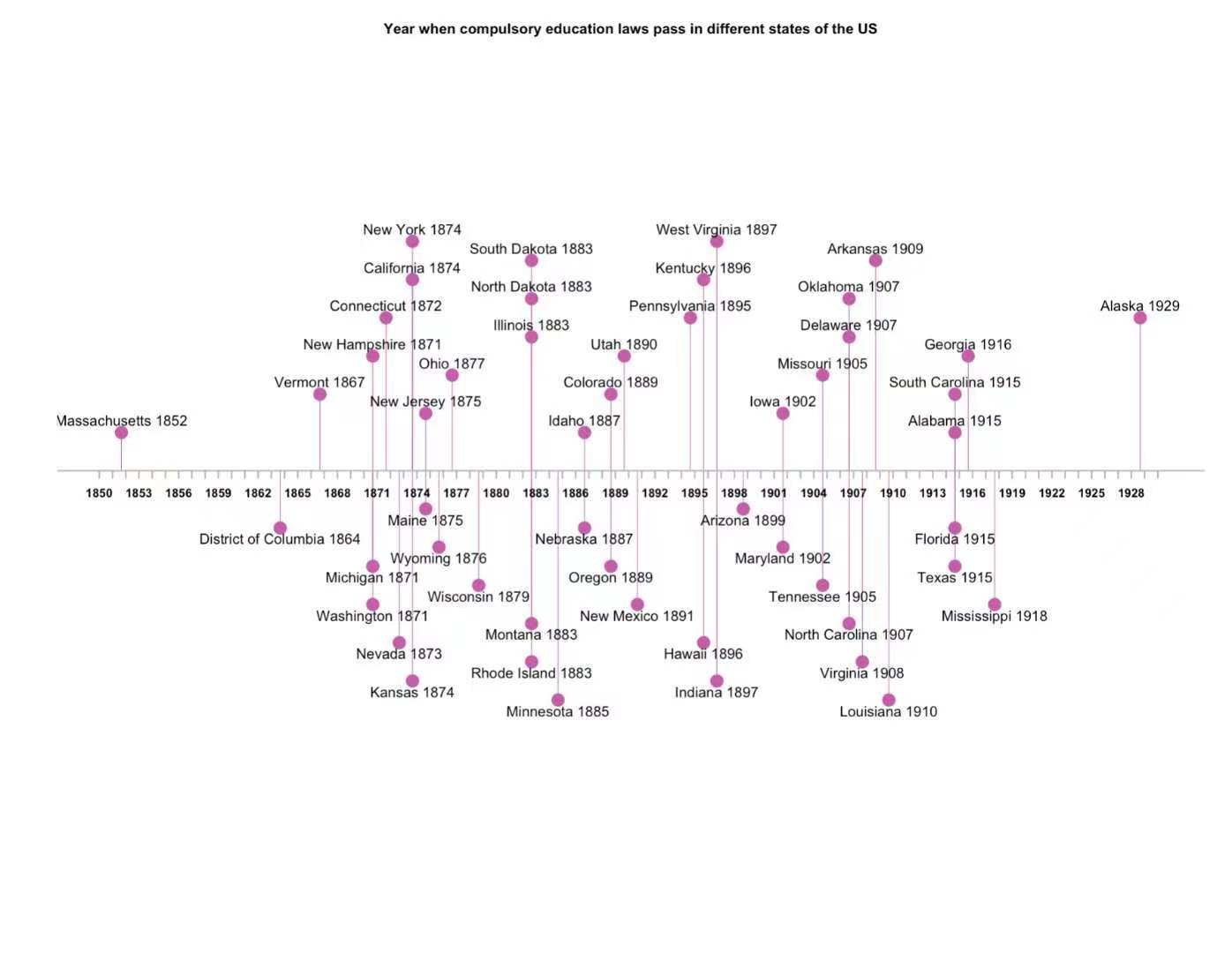
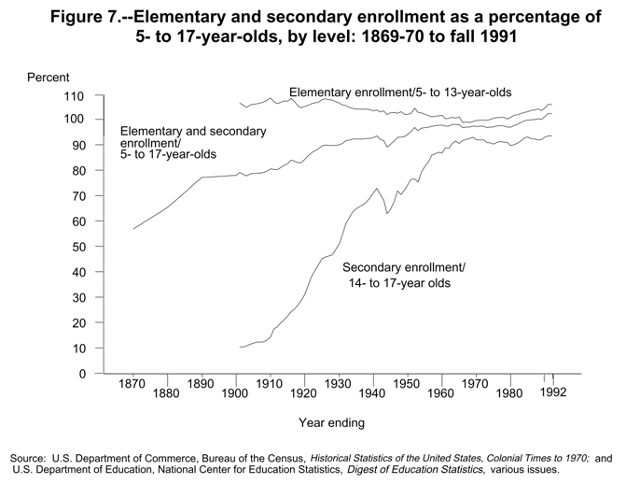
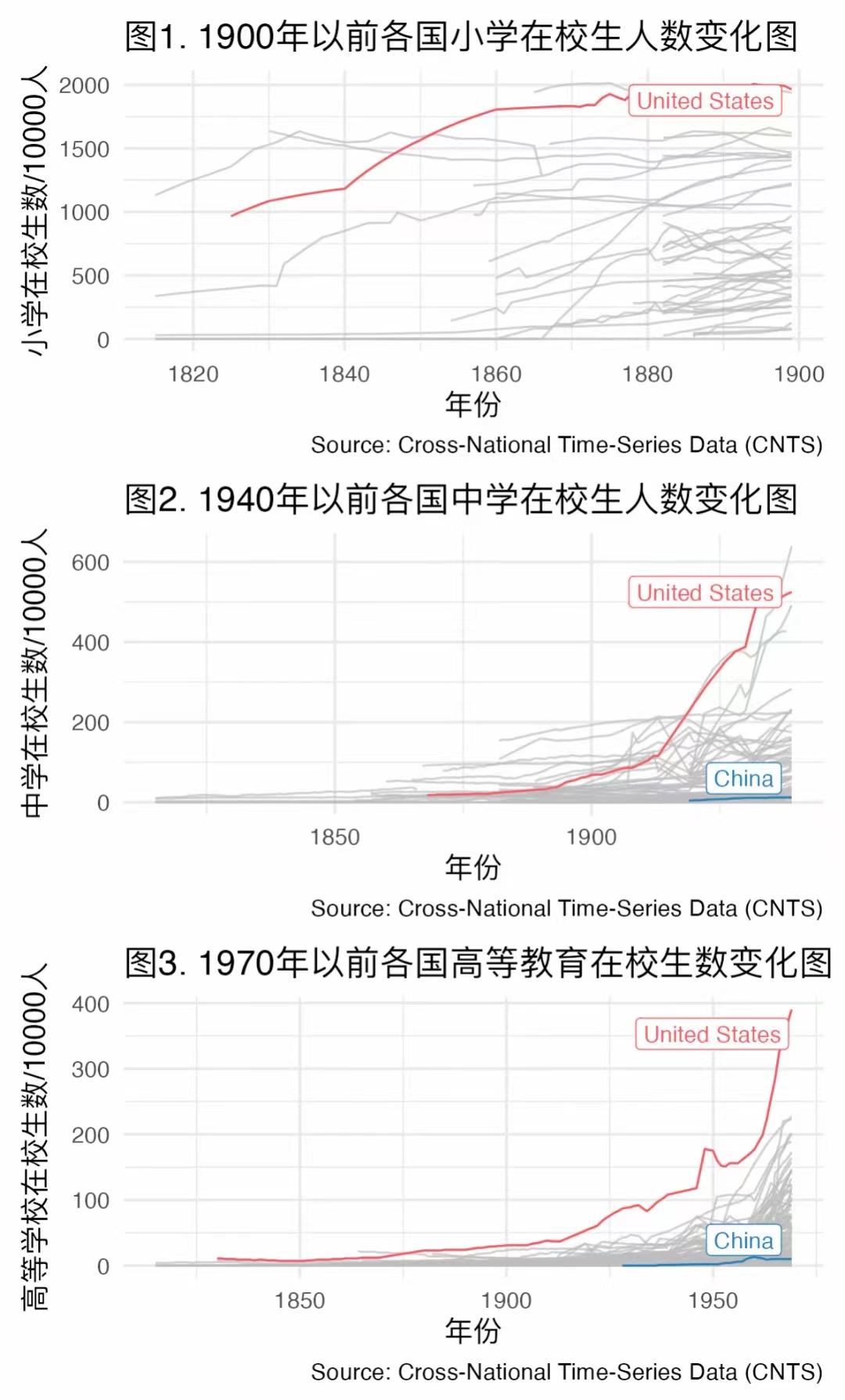
1850年,60%的5至19岁白人在学。 18世纪初的美国社会结构有两个特征,有利于公共教育的推广。第1个特征是社会的阶层分化不是太严重,人口的同质化程度比较高,所以这有利于解决集体决策的弊端。因为只要大家有着同样的目标,那么很容易达成共识,不像一个阶级分化比较严重的社会结构。达成一个共识,尤其像公共教育这样一个重大事项,相对比较困难。第2个特征是。美国地方政府的决策权比较大,很多公共的事物地方就决定了,而并不需要上级政府或者中央政府的授权。
美国义务教育的起因
义务教育的影响
世界义务教育发展史
德国义务教育
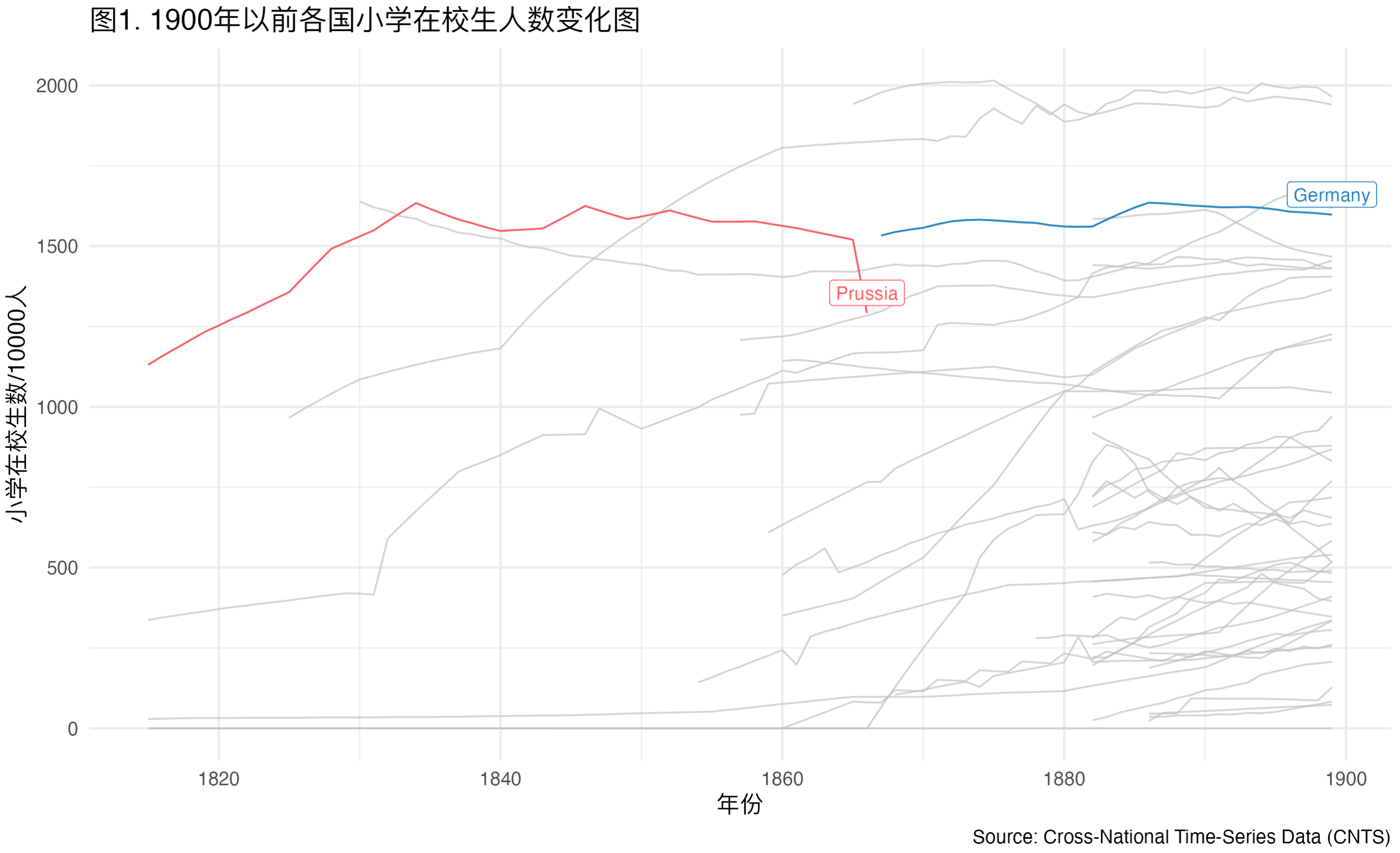
16,17世纪,包括18世纪早期,因为推广宗教的原因,在普鲁士和奥地利产生了大量的教会学校(parish schools),但是这些学校主要是以传播宗教思想,甚至也没有文字教学,只是口述教学。
1763,全国教育法令,排除天主教和城市儿童。
1806,与法国打仗战败,真正开始实施普及教育。
1837年,普鲁士80%的6~14岁的学龄,儿童接受了基础教育。
德国义务教育
Obedience must come from inner conviction rather than external force.
Schools became a central target of state policy precisely because they offered an instrument for exacting obedience in a less coercive fashion.
They stressed that popular education would help create and preserve a disciplined labor force.
1713,Christian Thomasius, professor of law a Halle and prominent figure in the German Enlightenment, complained that large of numbers of plebeian university students deprived the state of laborers and were a corrupting influence on their “upright and honest” colleagues.
“As long as the peasant’s moral character is not reformed, his indolence and resentment toward his lord will persist, He will continue to consider even the slightest chore too difficult, and will lack any interest in the acquisition of property. But if one improves his character before reducing his excessive labor obligations, this education will muffle his discontent and suppress the dangerous impulses bred by constant maltreatment.”
“If they know too much, …… will run off to the cities and want to become secretaries or some such things.”
德国义务教育
英国义务教育
17、18世纪,主要是教会提供针对贫苦孩子的教会学校;
1870,Elementary Education Act 1870,England and Wales,建立地方教育当局,并提供财政拨款发展基础教育,财政主要是由基层财政来负担;
1900,义务教育实现免费;
英国义务教育
英国义务教育
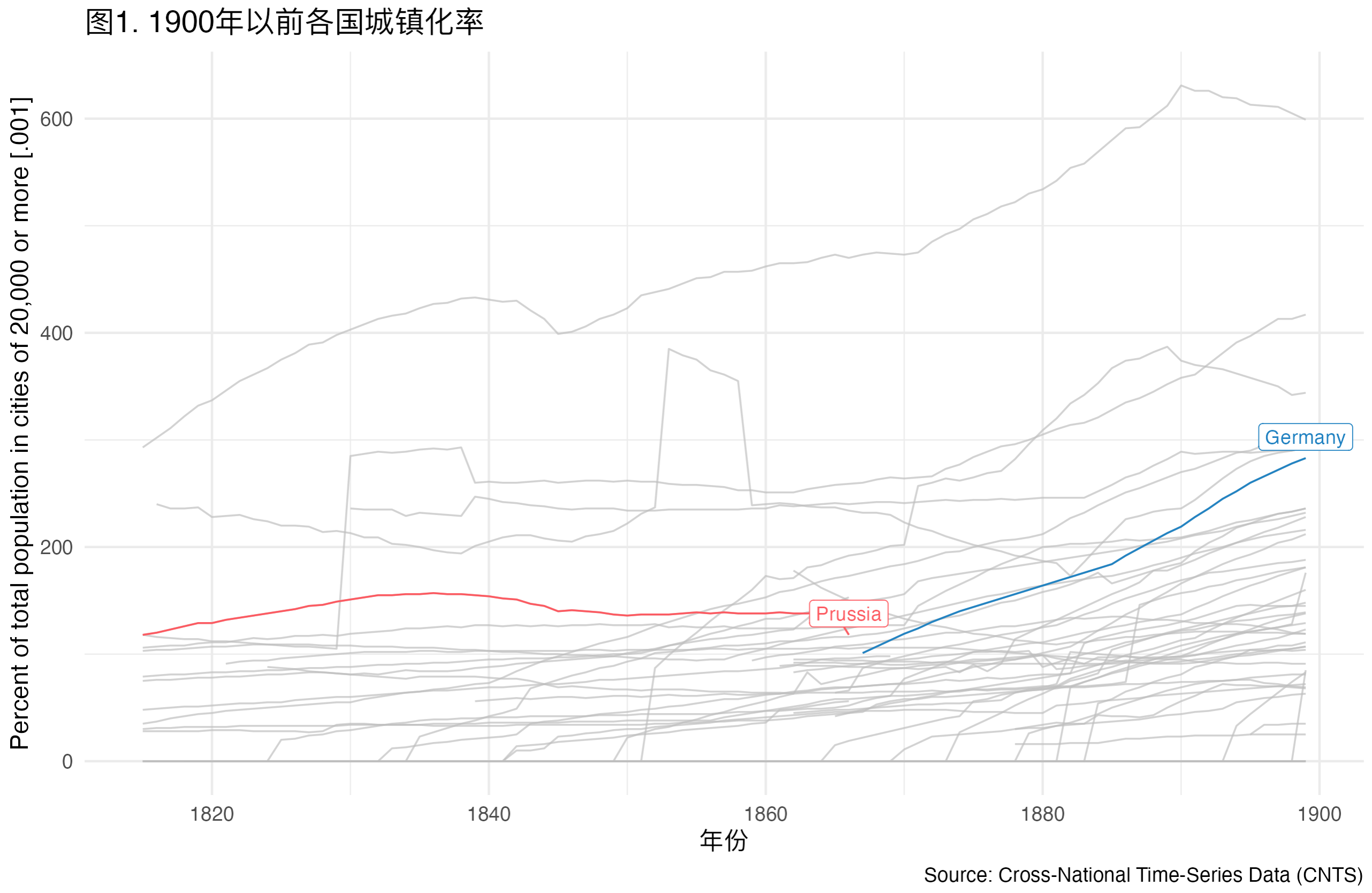
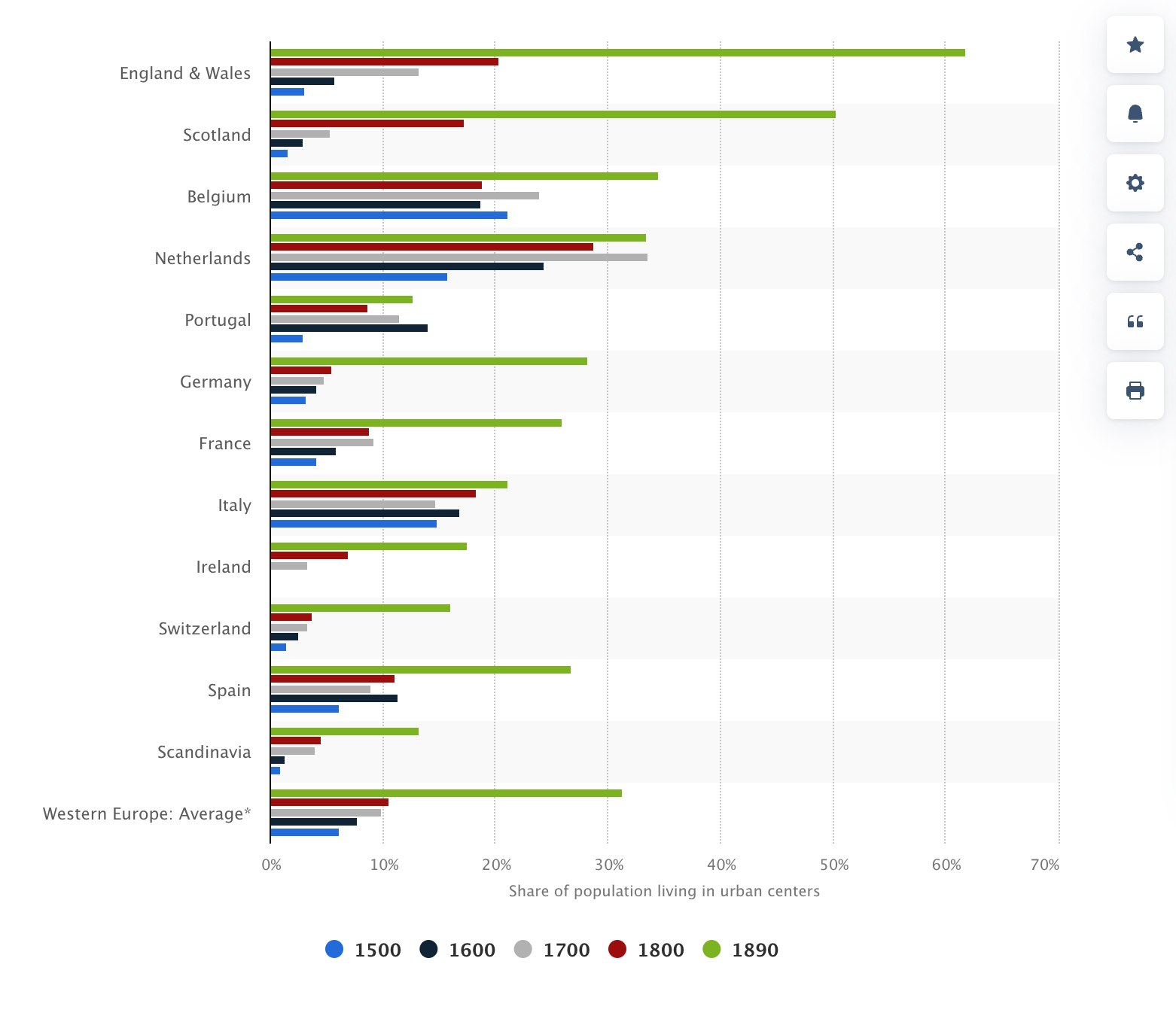
Share of the population living in towns of more than 10,000 people in selected countries of Western Europe in years between 1500 and 1890
日本义务教育
1872,《教育训令》,8个大学区,32个中学区,210个小学区。学习西学。中央集权
1890,三年教育;The Imperial Rescript on Education,强化爱国忠君思想;
1898,义务教育入学率达69%,
1900,义务教育免费,自动升级;
1907,四年提高为6年,
1920,现代教育系统基本建立,
日本义务教育
日本义务教育
法国义务教育
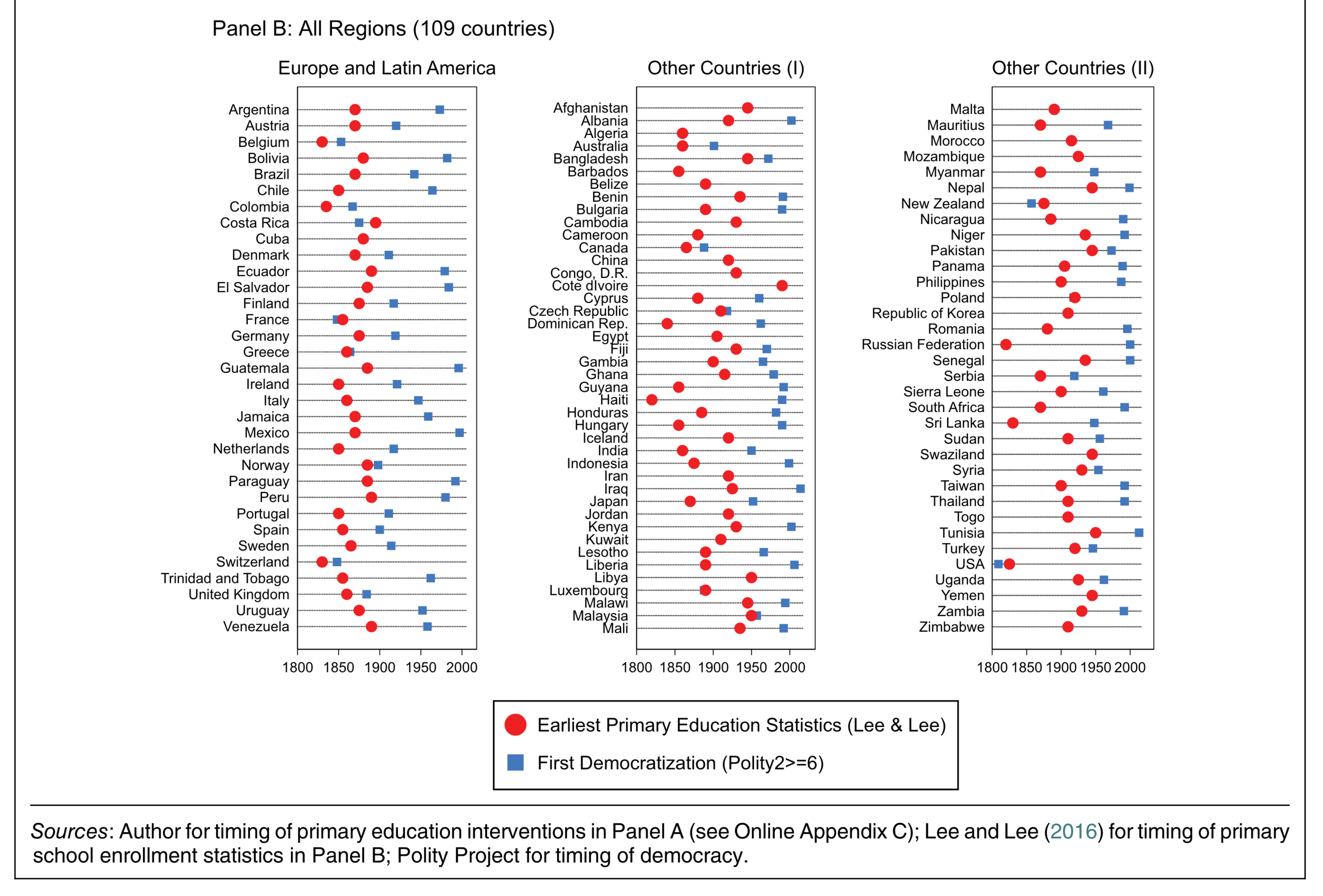
教育与民主
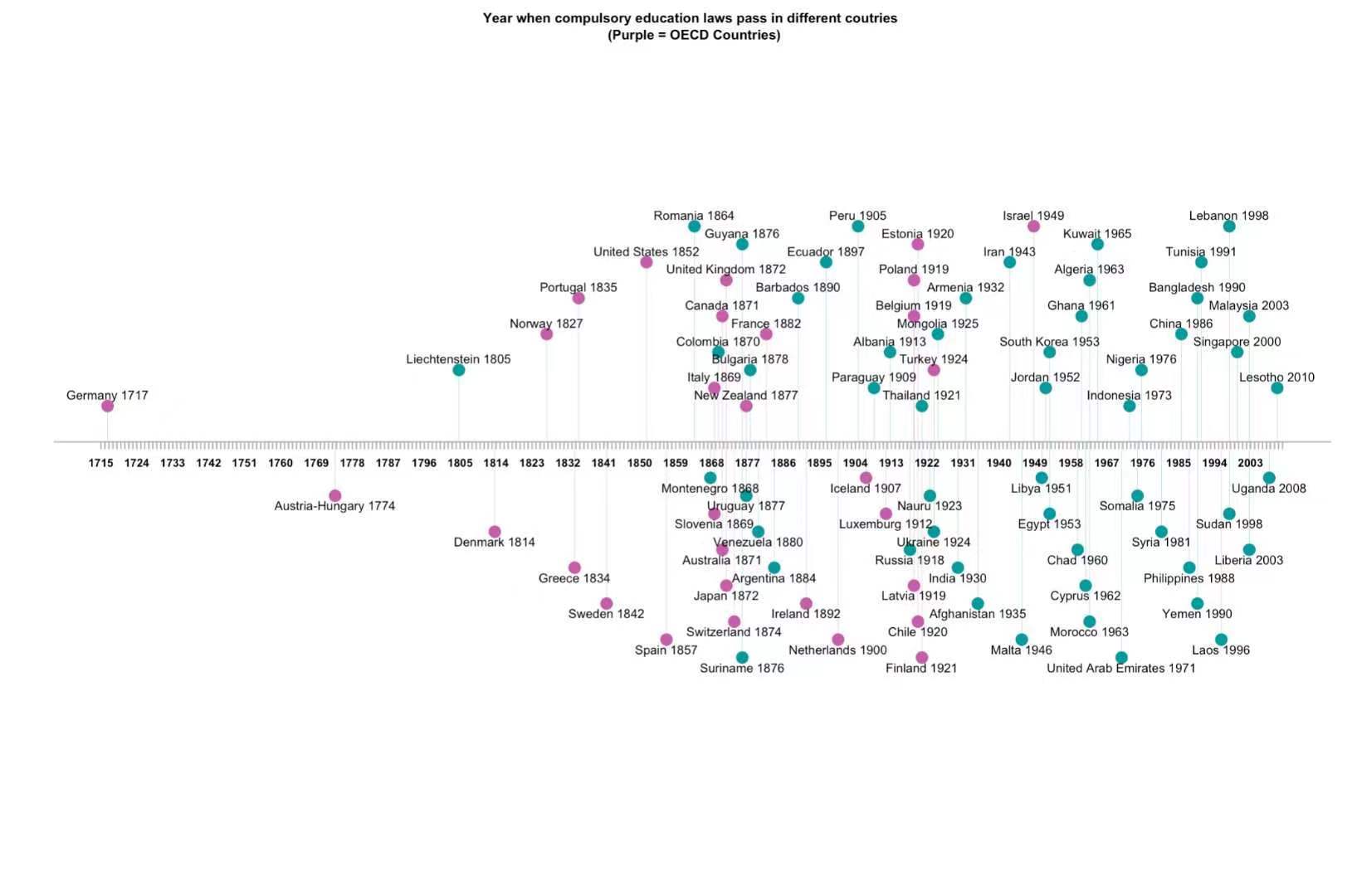
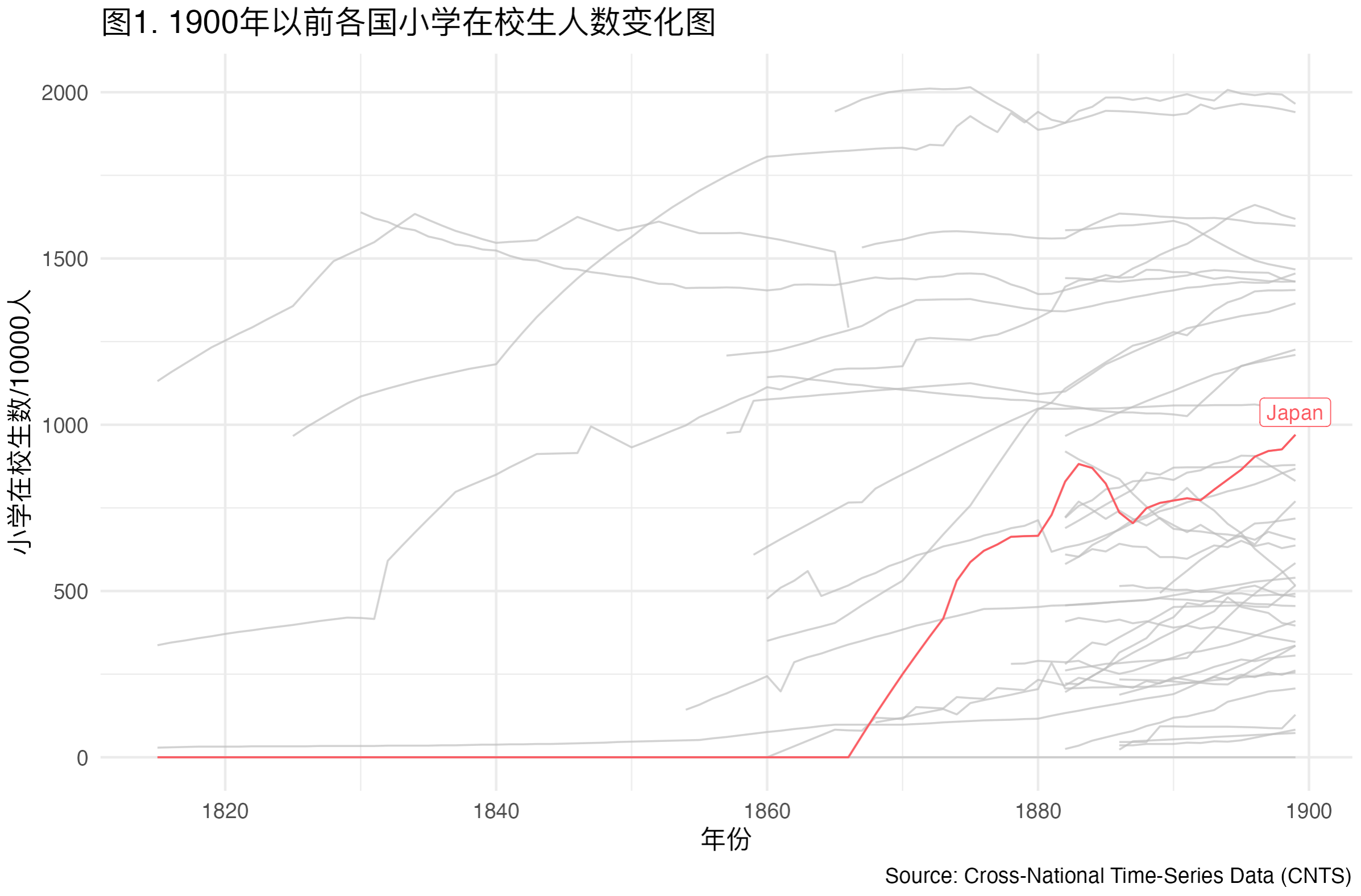
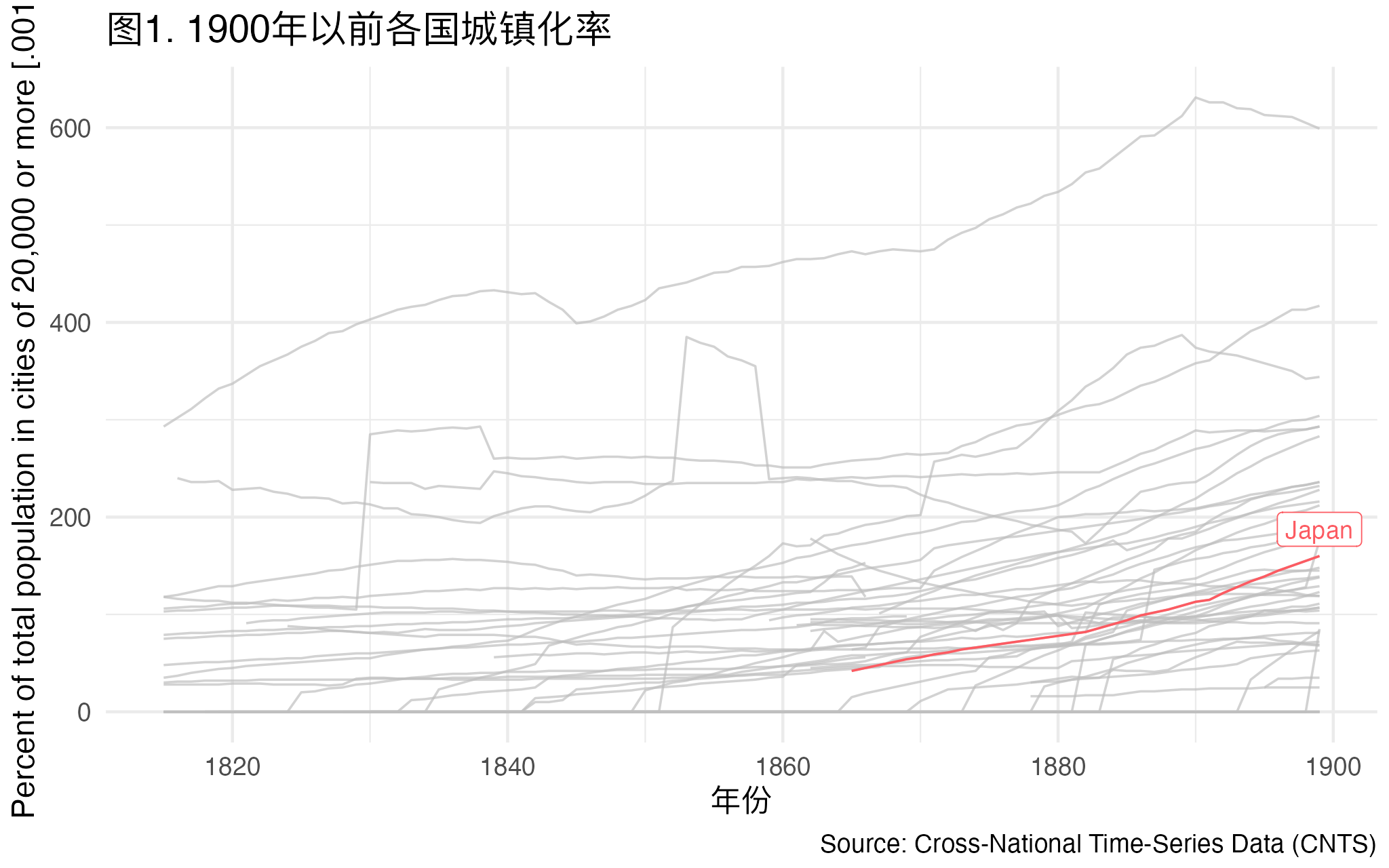
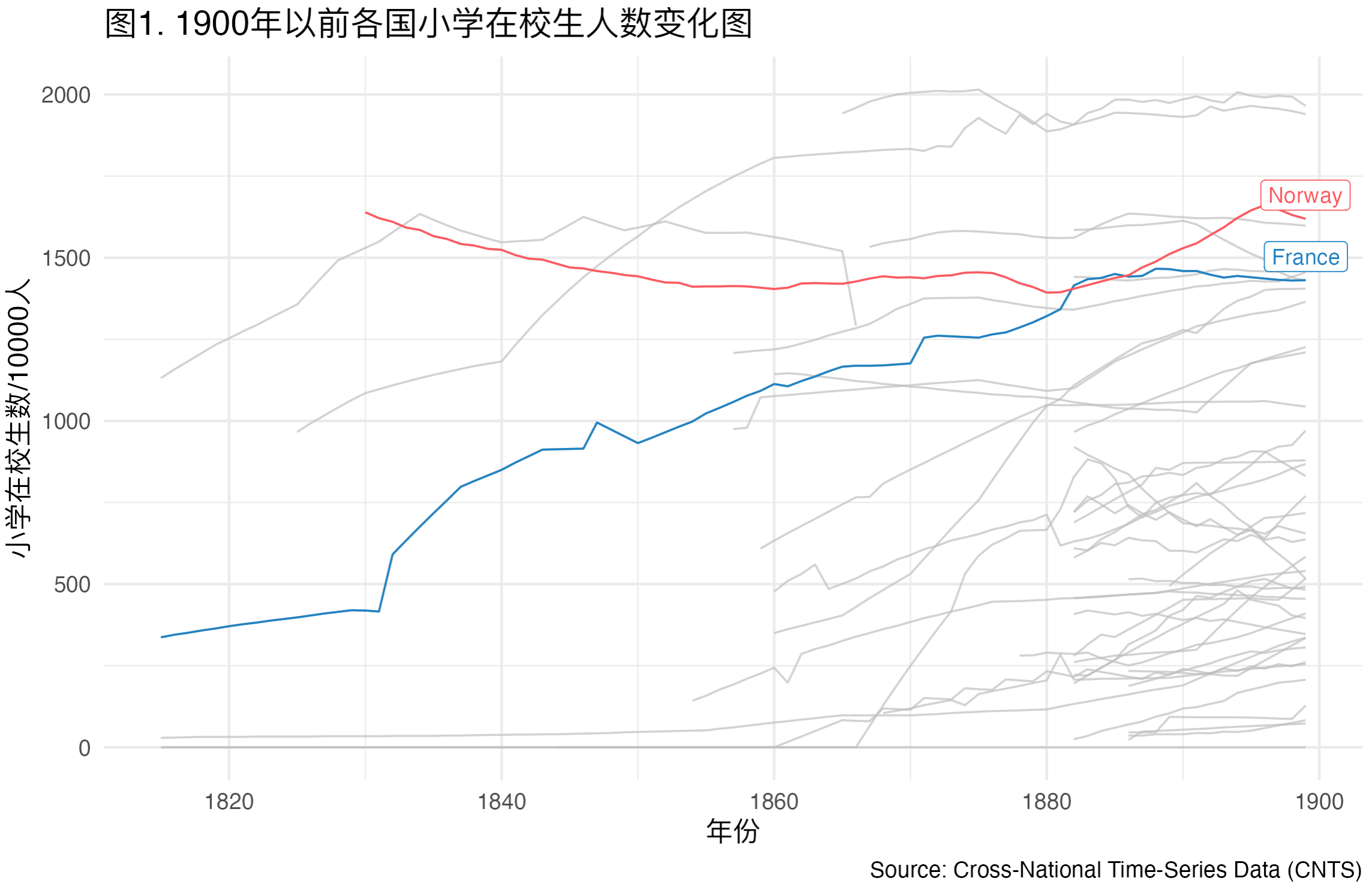
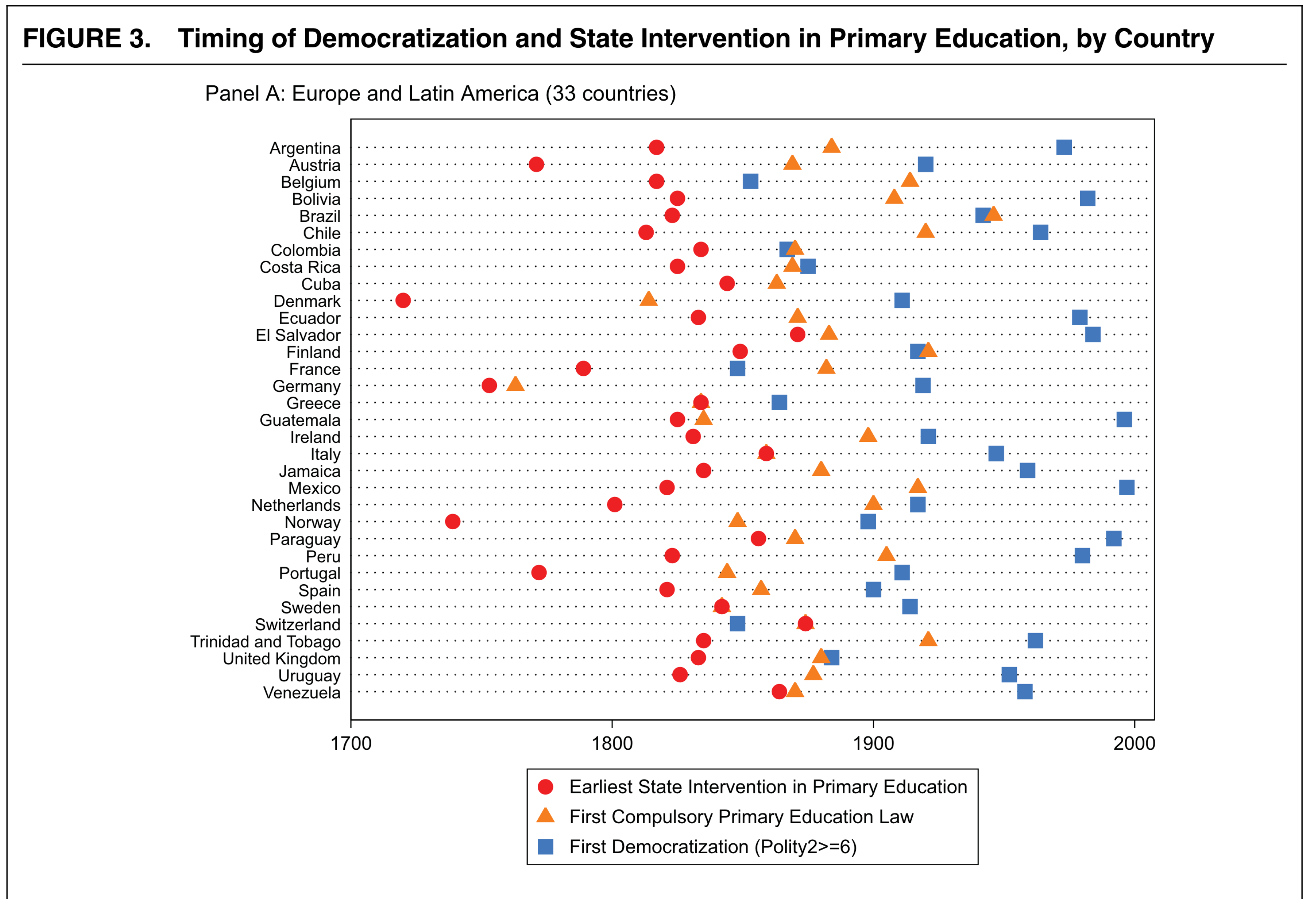
Paglayan, A. S. (2021). The Non-Democratic Roots of Mass Education: Evidence from 200 Years. American Political Science Review, 115(1), 179–198. https://doi.org/10.1017/S0003055420000647
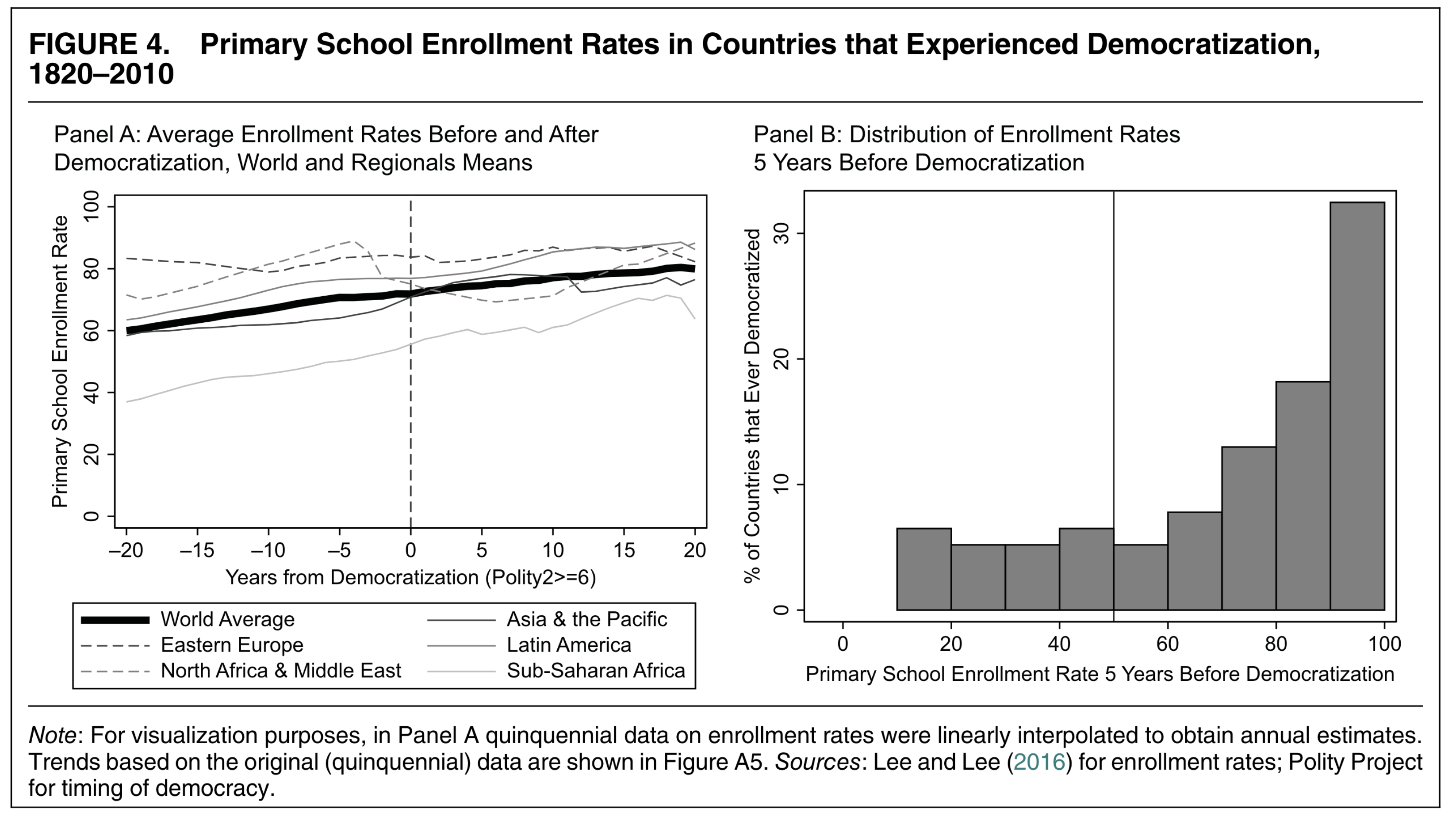
教育与民主
Paglayan, A. S. (2021). The Non-Democratic Roots of Mass Education: Evidence from 200 Years. American Political Science Review, 115(1), 179–198. https://doi.org/10.1017/S0003055420000647
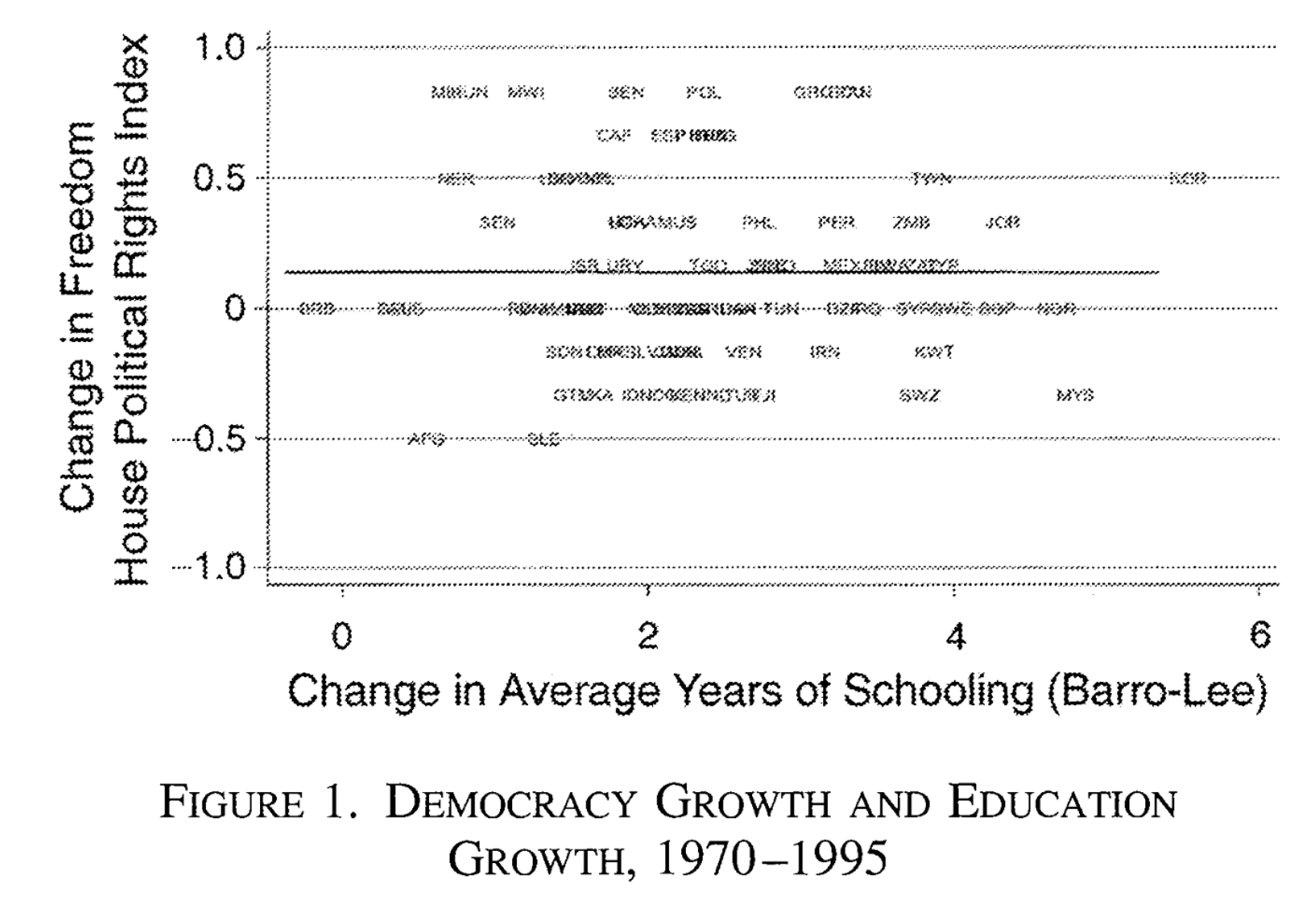
教育与民主
Paglayan, A. S. (2021). The Non-Democratic Roots of Mass Education: Evidence from 200 Years. American Political Science Review, 115(1), 179–198. https://doi.org/10.1017/S0003055420000647
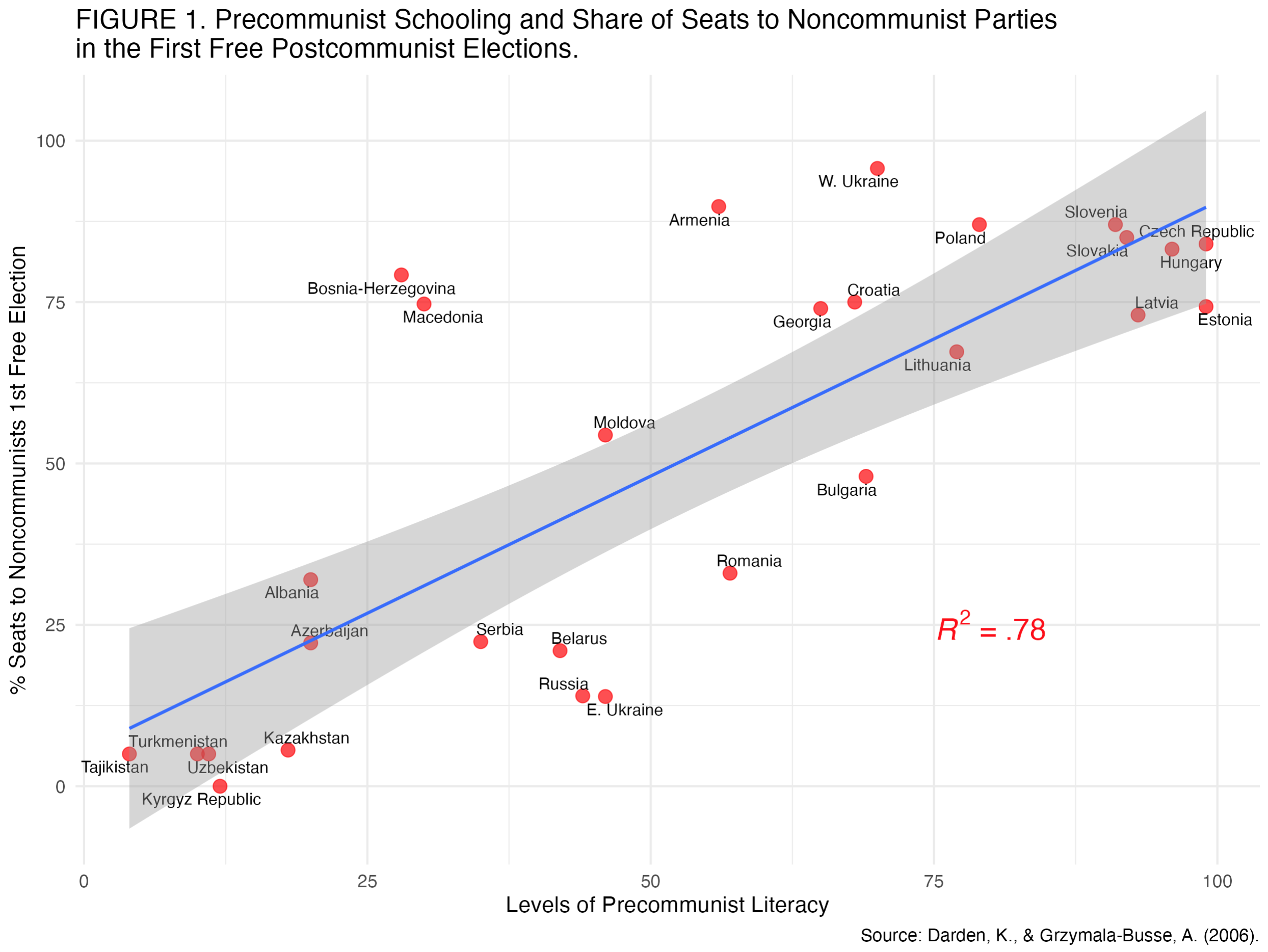
教育与民主
Darden, K., & Grzymala-Busse, A. (2006). The Great Divide: Literacy, Nationalism, and the Communist Collapse. World Politics , 59 (1), 83–115. https://doi.org/10.1353/wp.2007.0015
练习
一所小学的存在需要哪些直接的条件?
土地与校舍、教师、经费、学生、课本。前三者主要是经费的问题。比如现在基础教育的支出占县级财政支出的30%左右,那么,社会发展到什么阶段才能在满足基本生活需要的前提,还有这些额外的经费?第一,社会创造的财富增加(生产力的提高,社会创造的财富有非常大的提高,其次,政府的行政力量提高,能够征收到这部分财富,考虑在义务教育推广初期的农业社会,这两个方面都存在的困难。
教师除了经费之外,社会受教育的人首先要多起来,其次,要有专门培养教师的机构;
关于课本,课本需要三个条件,一纸张、二内容,三把内容印在纸张上的印刷术,而且,纸张生产与印刷还需要能够量产,因为涉及全民的教育普及。内容,到底教哪些内容,如果是仅是读书、写字、算术的话,还有宗教思想的话,这些内容较早的存在了,但是涉及到科学技术,物理、化学、生物、地理等知识的话,要等到17世纪科学革命之后,如果涉及工业等知识的话,那就涉及到工业革命之后。而在一个农业社会,可能并不需要太多与生产相关的知识非要在学校里系统学习。
关于学生,家长为什么要送学生来?第一、上学要交费,第二、上学耽误孩子做农活(机会成本),第三,在学校里学的内容也不能提高学生毕业后的收入和生活质量,因为社会的大部分工作并不需要学校教育。因此,实现基础教育的普及必须解决以上三个问题。
讨论
为什么义务教育早起源于非民主国家?比如普鲁士、奥地利。
讨论
中国的义务教育为什么发展的这么缓慢?清朝、中国民国、建国到改革开放之前。
中国为什么最终实现义务教育的普及?
中国现代意义上的基础教育的发展可以分为4个阶段。如果我们以1903年奎某学制的颁布为起点的话。那么1903年到1911年清末时期基础教育的发展。按照已有的统计数据来看。其实在清末的时候,基础教育的发展已经初具规模了。那么另外第2个阶段即是1912年至1927年,即北洋军阀时期,我国基础教育的普及。对于这一段的历史,其实我还并不了解,需要去掌握更多的材料。第2个阶段应该是中华民国时期,是指1927年到1949年之间的,我国基础教育的普及情况这方面也需要找一个数据来看其基本的状态。
最后一个阶段,也就是新中国成立以后的基础教育的普及。对于这一段的普及,我已经找到了一些材料,就如本ppt所展示的一样。本阶段也可以分为改革开放之前和改革开放之后两个阶段。改革开放之前,整个基础教育的普及并没有成为国家政治活动和经济发展活动的重心,只是各项政治经济活动下顺带完成的任务,所以那么就受当时的社会经济。活动的制约比较大。其实对这一段。其实对于这一阶段基础教育普及的历史,还是缺乏很多文献史料的支撑。下一步需要下一步需要看更多的相关的,尤其是个案性质的或者区域性质的地方性质的的材料。建国之后第二阶段以及改革开放。基础教育的普及的活动。这也是其普及基础教育非常重要的动力基础是发展经济,改善民生,争取政权的合法性。在主要领导人的观,形象和作为一种政治任务的。推进策略,使得在经济基础尚未受限的情况下,基本普及了义务教育。所以中国义务教育的发展的主要的动力,并不是来自于民众对于教育的自然的需求,而是来自于官方业绩是上级政府的强力推进。
讨论
教育是民主的结果还是原因?
如果民主不是普及教育的前提条件,那么普及教育是否有助于提高政治民主的程度?
讨论
为什么公立教育早期的发展动力来自于中央,而财政资金最初都是来自于地方?
公益教育的主要早期的动力来自于中央是因为中央政府也就代表着整体的国家他考虑用教育来建立统一的国民意识。形成忠诚,服从勤劳的品质。但是如果实现基础教育的普及其是在原有的政府功能的基础上的一个巨大的增量。其需要大量的经济基础。所以义务教的普及,无论在任何国家都是一个渐进的过程。记一部分,经济发展较好的地区先推行。如果经济较好的地区先推行的话,那么当然的就依赖于本地的财政。而一旦依赖于中央财政的支出的话。那么中央的的支出必须是。平均分配到各个地方,这样才能够是政治上是可行的,也是合理的。但是很显然,中央政府并没有这样一个财政基础。
在义务教育普及的早期,教育供给的决定权放在地方。有利于基础教育的普及,因为这样才能够克服政治上的决策上的阻力,让有需求有动力的地方首先开始推行普及教育。而义务教育想实现最终的普及,也即使在一个国家内全国正面上的普及,那么就需要更高层级的政府的介入。因为这样才能够保障落后地区以及经济不发达的地区。才能够实现提供教育资源的可能。
讨论
义务教育的发展的动力是来自于供给侧还是来自于需求侧?即来自于接受教育的民众的对于教育的强烈需求,还是来自于提供教育的政府对于教育的强烈需求所致?
欧洲大历史
The Reformation(1517-1648)
Scientific Revolution(1543–1687)
The Enlightenment (1687-1789)Industrial Revolution(1760-1840)
几点启示
最先有想法的,未必是最先成功的;
最初的想法,未必是最终的想法;
最初的目标,未必是最终的结果;
思维框架
2026.5.26
1.本次尝试让学生用双人播客的方式进行汇报,从汇报学生的汇报内容上来说是比较成功的。但是学生学习其它学生的汇报内容的兴趣有限。
2.普及教育或者义务教育中涉及到的三个方面。义务、普及、免费(政府提供)。第一位是普及,因为要普及,所以要成为一种义务。因为成为一种义务,所以要免费。所以,核心要问的问题,不是是否义务的问题?核心要问的问题,是否要普及?如果普及不是一种价值诉求的话,那么就没有必要义务?如果不是一种义务的话,则没有必要免费?
2.从观点分享上,有一个新逻辑义务教育何以发生,首先的问题,这是一个国家决策。如果这样的话,我们需要回答的问题,就是国家行事的逻辑是什么?那么很显然是看国家的决策主体与决策程序。
a.对于君主制或专制国家,那就要看这部分关键少数的偏好。对于他们来说,一是维持政权稳定,这包括国内的稳定,和国外威胁。为了国内的稳定,要实现教育的教化功能,为了与国家凭实力,还需要利用国家的经济功能。
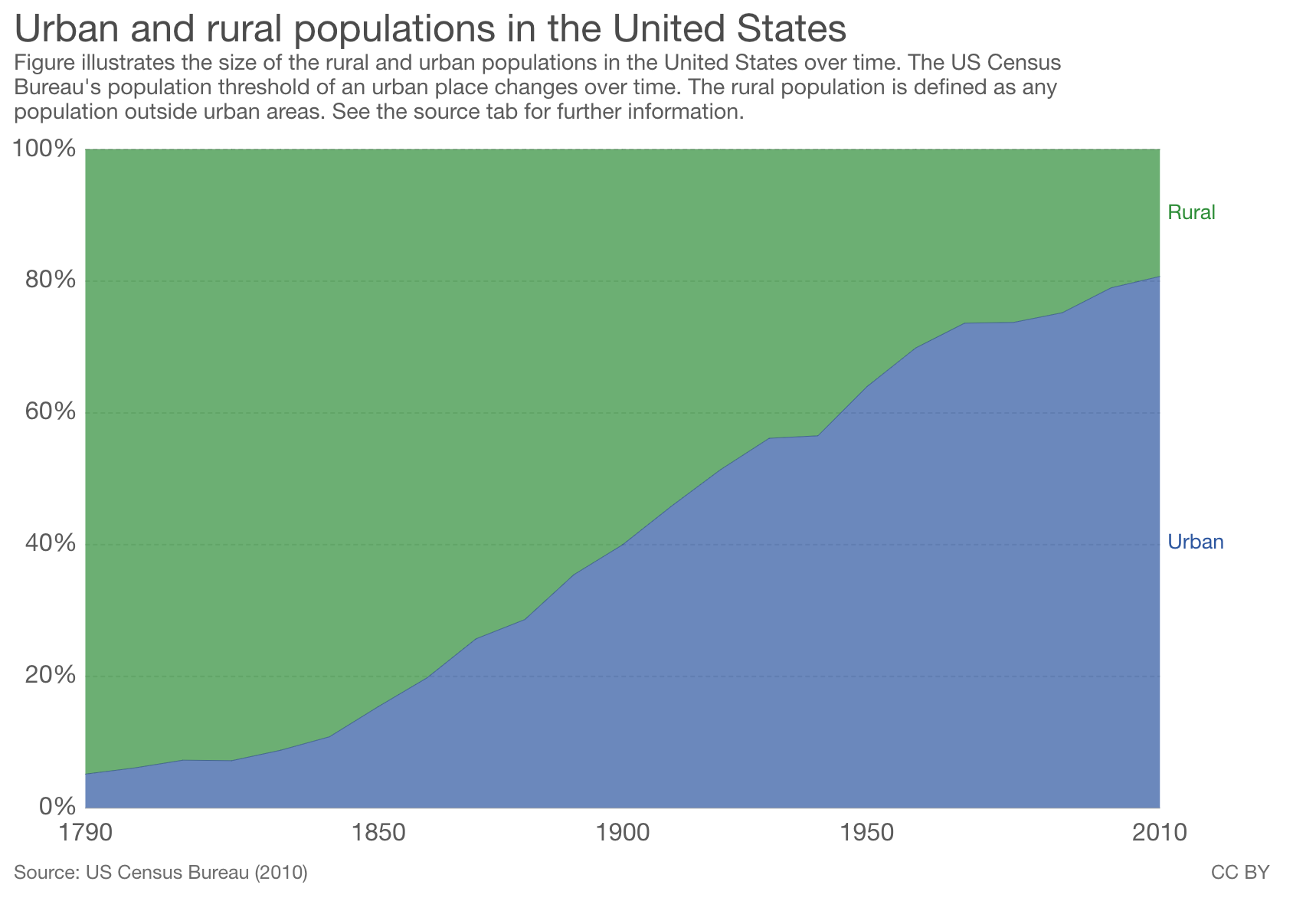
b.对于民主政体而言,议会决定,因为决策者对其选民负责,民主政体要实现教育的普及化,应当是选民个体有需求,即接受教育能够获得更高的收益,如果不能的话,选民也不同意政府发展教育,因为不能代表其核心的利益诉求。所以民主政治促进教育发展的核心是社会生产或者说经济结构发生了变化。
另一方面,经济结构的变化,也变带来后发型的专制政权,对于教育的需求,即通过提高教育,促进经济发展,争取政权合法性,积累财富,与国际对抗。当然教育还有另外一个功能,就是解放思想的功能。这有可能反作用于专制政权。所以,专政政权即利用教育经济功能,又是防止教育的解决思想的功能,所以要同时加强教育驯化功能。
另外,义务教育的普及是发生在非民主政体,因为当时经济模式还没有完成转型。其主要利用不是教育的经济功能。因为教育还没有经济功能。所以只能利用教育政治功能,即驯化功能。
而利用教育的驯化功能是一直都存在的,下一个需要回答的问题是为什么普及义务教育最早出现在西方,而中国为什么没有最早出现全民教育。如果按照生存论的话。我们国家没有必要做这个事情。第一,我们的文字,很早就实现了统一。第二,我们很少就实现了思想的统一,并由科举制度固化。第三,作为一个地理上的,长期以来没很强的外部冲突。有了科举之后,内容冲突也是减少。外部威胁也不像欧洲国家那样强烈。
c.从1902之后发展普及教育,清朝,民国,194901976之前,和1976之后的动力是不一样。清朝是为了生存,迫于压力。清朝为什么没有像日本那样快速的推进,是因清朝本身是一个外来、少数民族,如果推行普及教育,会威胁到自己的统治,虽然,可能对国家发展有利。
民国,这一段历史,需要更多的了解。
1949-1976,完成经济功能,意识形态统一的功能;
1978-至今,更多强制其经济功能,也在强调其统一意识形态的功能,但最终的目标都维护政权的合法性的问题。
3.综上分析,普及教育的发展在不同时期,不同国家,其动因是不一样的;
教育的三种功能:驯化、经济、解决思想
4.另外一个问题,普及义务教育除何以发生的问题之外,还一个以何发生的问题。也就是其所具备的认识、经济、师资条件的问题。这也是社会发展到一定阶段才能够实现的。
5.那么教育是否能够反作用专政政权,教育能否促进民主的发生?